




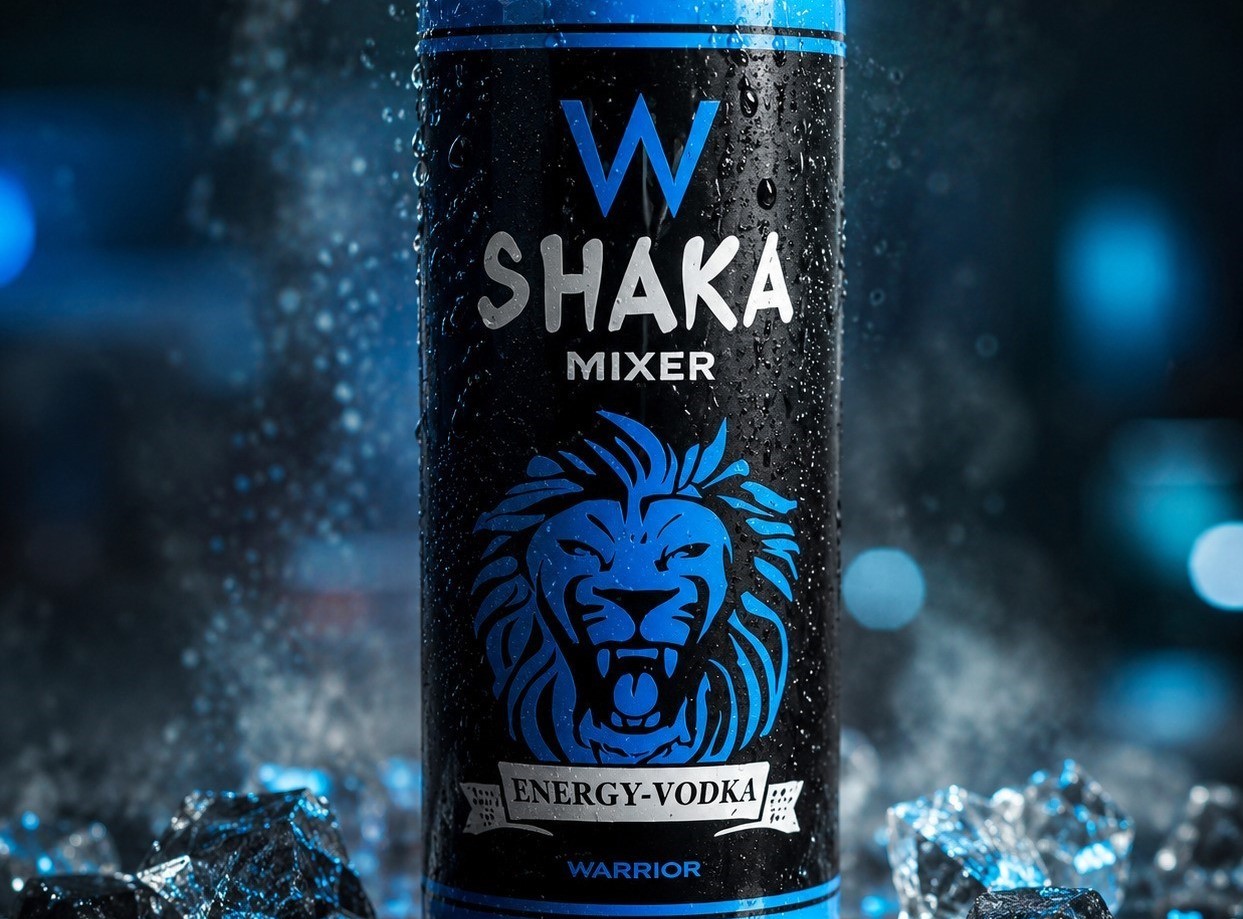
- Dr. Alejandro Mestre Barroso, a toxicology specialist and coordinator of the Las Tunas Provincial Drug Observatory, warns of the real risks posed by a beverage marketed as an energy drink but containing 18% alcohol.
Las Tunas, Cuba.- The first report on Shaka in Cuba came from the Las Tunas Provincial Drug Observatory. This province was the first that sounded the alarm. And from the start, the warning was clear: the greatest concern is not the product itself, but how it has been marketed. It was sold —and continues to be sold— as an energy drink. Conceptually, that is false.
Alejandro Mestre Barroso, a toxicology specialist and coordinator of the Las Tunas Provincial Drug Observatory, agreed to speak with 26 about the real risks of a product that has doctors, parents, and authorities across the country on high alert.
“Shaka is an alcoholic beverage with 18 percent alcohol. To put that in perspective: Cristal beer has between 4.1 and 4.5 percent alcohol. A single can of Shaka can contain the alcohol equivalent of three or four beers. It’s vodka-based, though it can also be whiskey. The version sold in Cuba is primarily vodka-based. But in addition to alcohol, it contains caffeine, purines, and other stimulants. That’s where the trap lies,” the doctor emphasizes.
He further clarifies that the specific danger of this combination lies in the fact that alcohol is a central nervous system depressant, while caffeine and purines are stimulants. “When mixed, the stimulants mask the state of intoxication. Teenagers, in particular, feel such a high level of excitement that they don’t realize they’re drunk. So they have one, then two, then three. By the time the alcohol finally takes effect, they already have 150 milligrams per deciliter in their blood and can fall into an alcohol-induced coma.
“That’s what happened in most of the cases reported to the Observatory. Some required intensive care due to central nervous system and cardiovascular complications: hypertensive spikes, tachycardia, and neurological symptoms of alcohol depression. In the worst-case scenario, there can be strokes, acute coronary events, and even sudden death.”
In the case of minors, he points out that the damage can be even greater. In addition to the toxicological factor, there are neuropsychological and neurobehavioral factors. The young person has no control over their consumption. They are drinking a beverage that excites them, that gives them energy, and in less than fifteen minutes, they’ve had three.
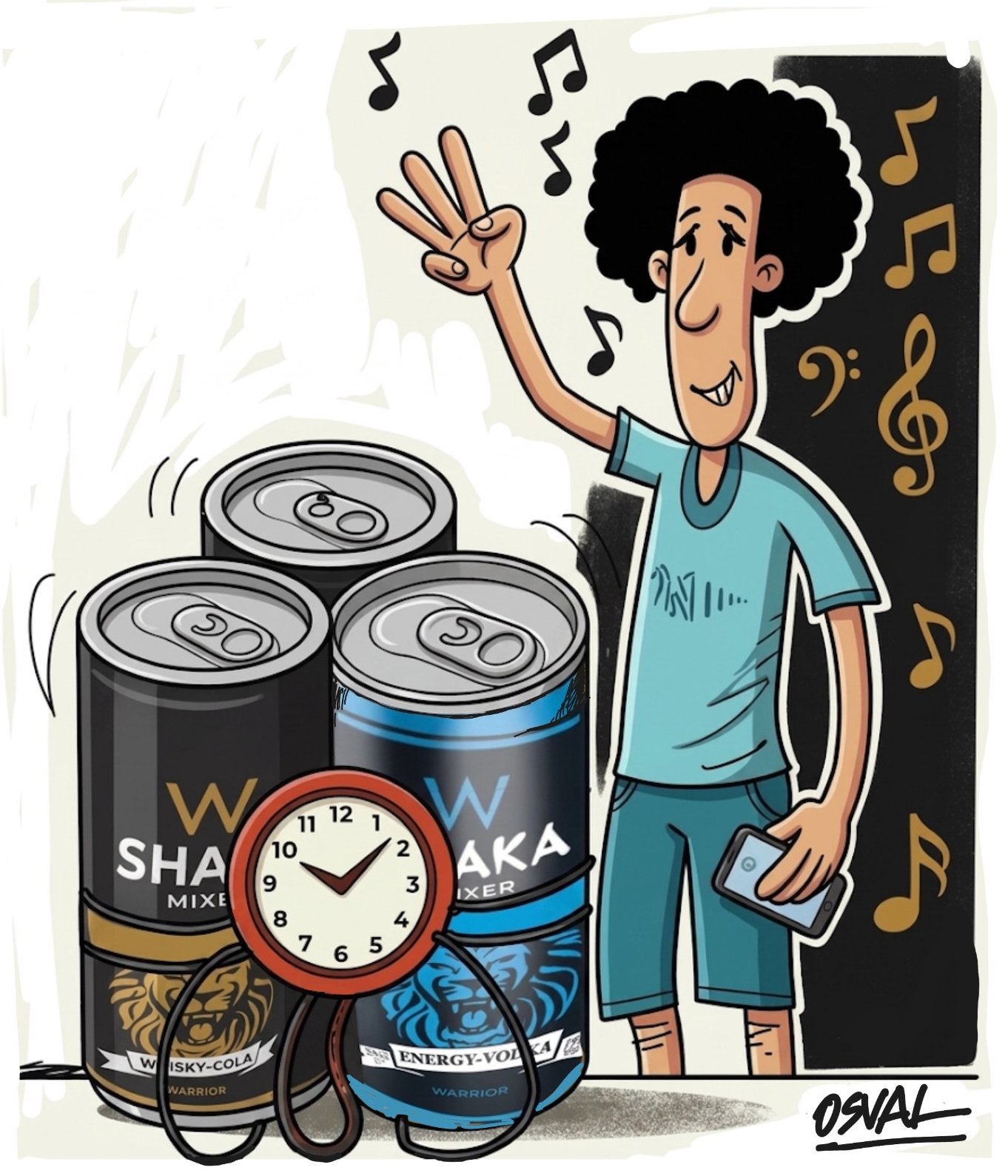 “The clinical picture is much more severe from an alcoholic standpoint. The main complications in young people are cardiovascular and neurological: tachycardia, hypertension, acute coronary events, strokes, ischemic events, and heart attacks. It’s rarer, but it can happen. And we can’t forget the metabolic complications: hypoglycemia, severe intoxication, and alcohol-induced coma.”
Dr. Barroso insists that the phenomenon has been blown out of proportion on social media, but clarifies that the essential facts require no exaggeration: it is an alcoholic beverage that also contains stimulants.
“If consumed in excess, it causes very severe symptoms. It’s like drinking a whole bottle of Chanceler by yourself: you could end up in intensive care with an alcohol-induced coma. The same thing happens with Shaka. It’s not an energy drink. It’s an alcoholic beverage containing caffeine and purines. That’s the conceptual misunderstanding that needs to be corrected.”
The Las Tunas Provincial Drug Observatory was the first to issue a nationwide warning about Shaka. According to its coordinator, this demonstrates that the provincial observatories are effective. Their mission is to detect, alert, and protect. And in this case, they did so from the very beginning.
The specialist’s final recommendation is unequivocal: treat it for what it is, an alcoholic beverage. Minors should not consume it. Adults, if they choose to do so, must know exactly what they are drinking. Let no one be fooled by the word “energy.” Shaka does not provide energy. It can take a life.


